
Movie Ratings: Are They Killing Cinema?
Introduction
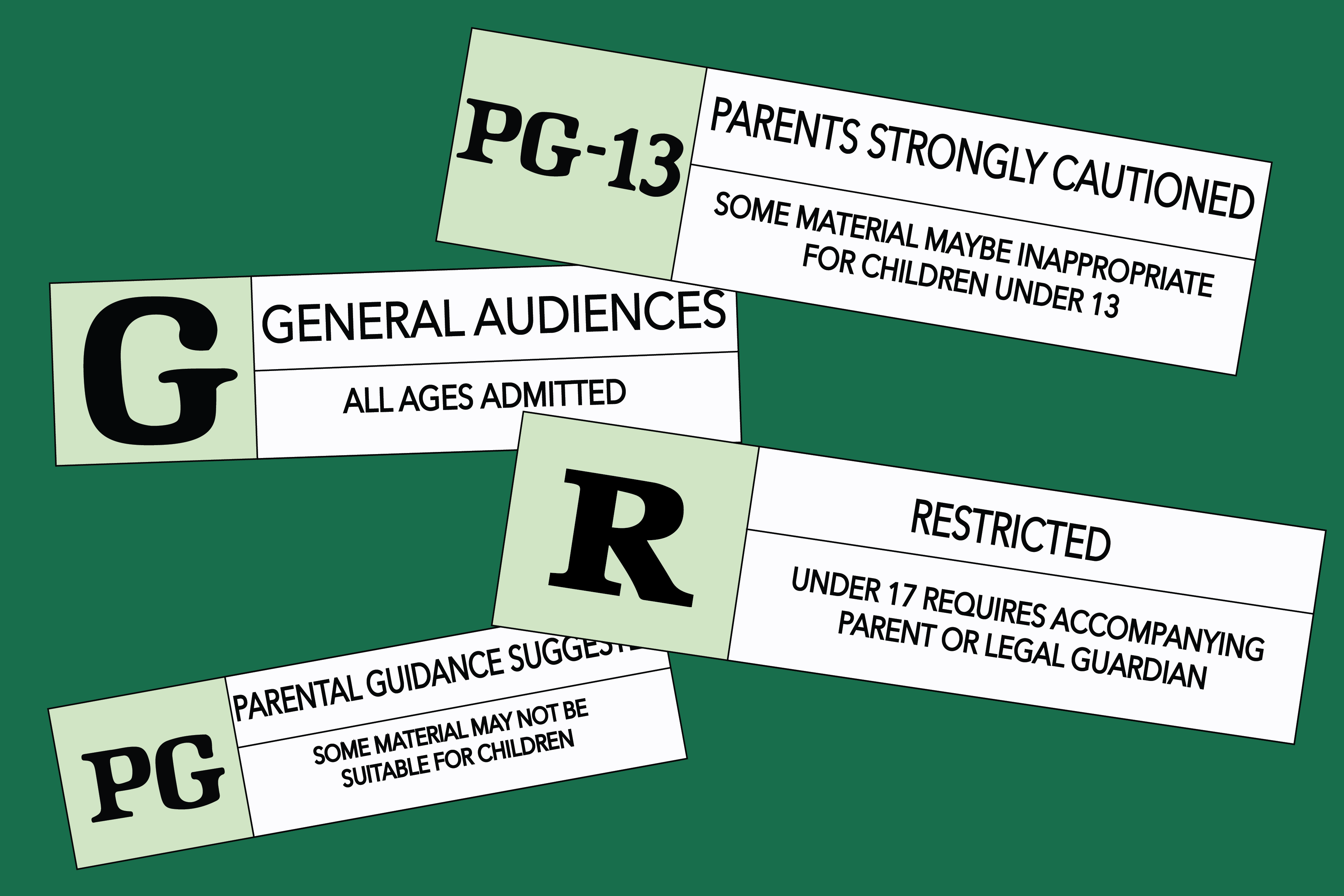
Okay, let’s be honest. How many times have you scrolled through Netflix, seen a film that *sounds* amazing, checked the rating, and then…nope, clicked right past it? We’ve all been there. Movie ratings are supposed to be helpful guides, right? A quick shorthand for age appropriateness and content. But are these seemingly innocuous labels actually stifling creativity and, dare we say, slowly killing cinema?
That might sound dramatic, but hear me out. This isn’t some conspiracy theory rant. It’s about how a system designed to protect us might be inadvertently limiting the artistic landscape and shaping what gets made, what gets seen, and ultimately, what kind of stories get told.
The Short-Term Squeeze: Box Office Blues and Missed Opportunities
In the short term, the impact of movie ratings is pretty obvious: box office numbers. A dreaded R rating, for example, can immediately shrink a film’s potential audience. Suddenly, a significant chunk of moviegoers – teenagers, families with younger kids – are automatically excluded. Studios know this. And naturally, they want to maximize profits.
This leads to a self-censorship phenomenon. Writers and directors may consciously tone down their vision to secure a more palatable PG-13 rating, knowing it will significantly boost ticket sales. Think about all those action movies that *almost* go there with the violence but pull back at the last second. They’re dancing a delicate dance with the ratings board, prioritizing accessibility over authenticity.
But what about the stories that *need* to be told with grit and unflinching honesty? What about the complex narratives that require mature themes and complex characters that wouldn’t necessarily align with the expectations of a PG-13 audience? These films often struggle to get funding or widespread distribution, relegated to independent cinemas and niche streaming platforms. We risk losing out on powerful and thought-provoking stories simply because they don’t fit neatly into a commercially viable rating bracket.
Think about films like “Moonlight” or “Manchester by the Sea,” both R-rated masterpieces that explored complex themes of identity, grief, and trauma. While they achieved critical acclaim and awards recognition, they likely reached a smaller audience than they could have if they were rated PG-13. This isn’t to say they should have been censored, but it highlights the inherent disadvantage R-rated films often face.
The Long Game: A Homogenized Hollywood and Diminished Artistic Risk
The long-term implications are even more concerning. When studios consistently prioritize PG-13 fare, it creates a feedback loop. The market demands more of the same, reinforcing the perception that R-rated films are risky investments. This discourages filmmakers from taking artistic risks, experimenting with challenging themes, and pushing the boundaries of storytelling.
Over time, this can lead to a homogenization of Hollywood. We see fewer truly original and daring films, replaced by a steady stream of sequels, reboots, and formulaic blockbusters designed to appeal to the widest possible audience. The very essence of cinematic art, the ability to challenge perspectives, provoke thought, and spark meaningful conversations, is slowly diluted.
Consider the evolution of horror movies. While there are still plenty of genuinely terrifying R-rated horrors, a significant portion now aim for PG-13 ratings. This often means sacrificing genuine scares and psychological depth for jump scares and superficial gore, ultimately diminishing the impact and artistic value of the genre.
Furthermore, the focus on ratings can stifle innovation in other genres as well. Comedies might shy away from edgy or controversial humor, dramas might avoid exploring complex moral ambiguities, and even action films can become overly sanitized to appeal to younger viewers. The result is a less diverse and less challenging cinematic landscape.
So, What Can We Do? Solutions for a More Nuanced Approach
Okay, doom and gloom aside, let’s talk about solutions. We’re not advocating for the complete abolition of movie ratings. They serve a purpose, particularly for parents. But we need a more nuanced and flexible approach. Here are a few ideas:
- Promote Media Literacy: The most powerful tool we have is education. Encourage critical thinking about media consumption, especially among young people. Teach them how to interpret ratings, understand their limitations, and seek out information beyond a simple letter grade. Websites like Common Sense Media offer detailed reviews and age-appropriateness guidance that goes beyond the basic rating system.
- Support Independent and Art House Cinemas: These venues are vital for showcasing films that might not get mainstream attention. By supporting them, you’re directly contributing to a more diverse and vibrant film ecosystem. Look for independent film festivals and online platforms that curate high-quality, unconventional films.
- Embrace Online Resources and Reviews: Don’t rely solely on the official movie rating. Read in-depth reviews from trusted sources, watch trailers, and do your research. Services like IMDb and Rotten Tomatoes offer user reviews and critical analysis, giving you a more comprehensive picture of a film’s content and quality.
- Advocate for a More Transparent Rating System: The MPA (Motion Picture Association) rating system could benefit from greater transparency and public input. Consider supporting organizations that advocate for more nuanced rating criteria and increased public awareness of the rating process.
- Challenge the “PG-13 is King” Mentality: As viewers, we have the power to influence what gets made. By actively seeking out and supporting films that push boundaries and explore complex themes, we can send a message to studios that we value originality and artistic risk. Don’t be afraid to step outside your comfort zone and explore films that might challenge your expectations.
- Support Filmmakers Who Take Risks: Independent filmmakers often struggle to get their work seen. Seek out and support their films, whether through crowdfunding campaigns, film festivals, or online distribution platforms. By investing in these artists, you’re contributing to a more diverse and innovative cinematic landscape.
A Call to Action: Reclaim the Narrative
Ultimately, the future of cinema depends on us. It’s up to us to demand more than just safe, predictable entertainment. We need to be active participants in the cinematic conversation, seeking out films that challenge us, provoke us, and inspire us.
Movie ratings don’t have to be the death knell for cinema. They can be a starting point, a guide, but never a limitation. By embracing media literacy, supporting independent filmmakers, and actively seeking out diverse and challenging films, we can help create a cinematic landscape that is rich, vibrant, and truly reflective of the human experience.
So, next time you’re scrolling through your streaming service, don’t let a simple letter grade dictate your choices. Take a chance on something different, something daring, something that might just surprise you. You might discover a new favorite film, a new perspective, or even a new appreciation for the power of cinema. And who knows, you might even help save cinema in the process. The power is in our hands, let’s use it wisely.