
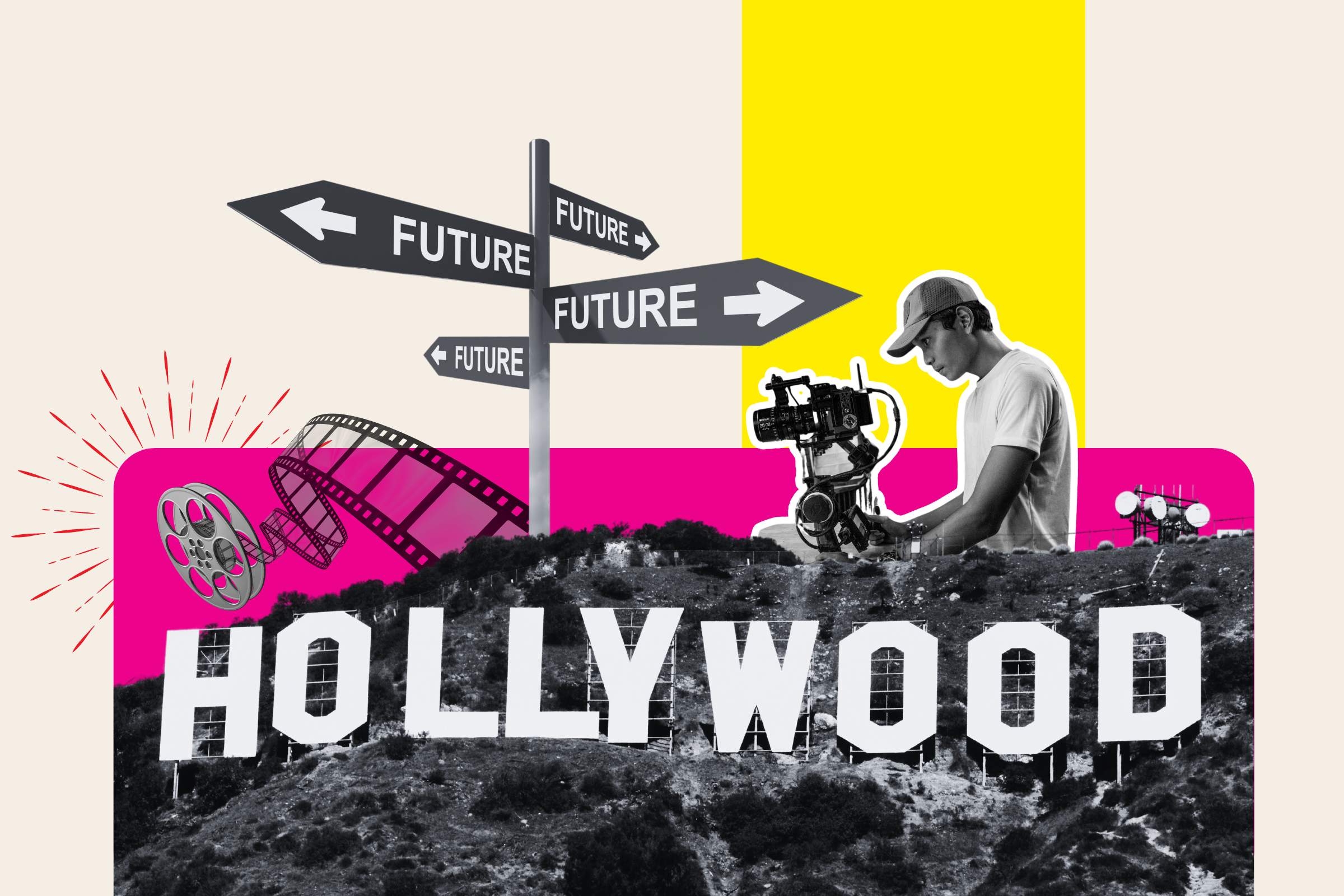
Hollywood Shakes: The News That’s Changing Everything
Introduction
Hold onto your popcorn, folks, because the cinematic landscape is shifting faster than a Fast & Furious car chase. It’s not just about superhero fatigue or the rise of streaming services; we’re talking about a fundamental restructuring of how movies and TV shows are made, distributed, and consumed. This isn’t just another cycle; it’s a full-blown earthquake, and the aftershocks will be felt for years to come.
Ever feel like the magic is fading? The same old formulas churning out predictable plots? Or maybe you’re just tired of paying a premium for content you can find online weeks later. You’re not alone. The Hollywood machine, once a seemingly invincible titan, is facing a barrage of challenges that are forcing it to adapt or risk becoming a relic of the past.
So, what’s causing all the tremors? Let’s break it down.
Explanation of the Problem: A Convergence of Disruptive Forces
Several factors are converging to create this transformative period:
- The Streaming Wars Heat Up: Netflix, Amazon Prime Video, Disney+, HBO Max, Paramount+… the list goes on. The battle for subscribers is fierce, leading to massive investments in original content and a shift away from traditional theatrical releases. This changes the power dynamic, giving audiences more choice and demanding higher quality.
- The Rise of Independent Creators: Thanks to platforms like YouTube, Vimeo, and Patreon, independent filmmakers and content creators are finding audiences and building sustainable careers without needing a studio’s backing. This democratization of content creation is challenging the studios’ gatekeeping role.
- The Writers Guild of America (WGA) and SAG-AFTRA Strikes: The recent strikes highlighted deep-seated issues regarding fair compensation, the use of AI, and the future of the creative workforce. These strikes forced studios to address these concerns, potentially leading to significant changes in industry practices.
- Shifting Audience Preferences: Audiences are demanding more diverse stories, complex characters, and innovative storytelling. The days of relying on tired tropes and formulaic blockbusters are numbered. Consumers are more discerning and vocal about what they want to see.
- The AI Revolution: Artificial intelligence is rapidly changing everything, from pre-production tasks like script analysis and storyboarding to post-production processes like visual effects and editing. While AI offers efficiency gains, it also raises concerns about job displacement and the potential for creative homogenization.
Short-Term Pain, Long-Term Gain? The Immediate and Future Impacts
The short-term impact of these changes is already being felt. Movie theaters are struggling to attract audiences, studios are reassessing their release strategies, and many industry professionals are facing uncertainty about their future. Budgets are being scrutinized, projects are being shelved, and there’s a general sense of unease throughout the industry.
However, the long-term impacts could be far more profound and, potentially, positive:
- Greater Diversity and Inclusion: The push for more diverse stories and voices could lead to a richer, more representative cinematic landscape. Audiences are hungry for authentic narratives that reflect the world around them.
- More Creative Freedom: Independent creators and smaller studios may find it easier to break through and experiment with new formats and genres. This could lead to a renaissance of independent filmmaking and a surge in innovative storytelling.
- A Re-evaluation of Value: The industry may be forced to reassess the value of creative talent and ensure fair compensation for writers, actors, and other professionals. The strikes have highlighted the need for a more equitable distribution of profits.
- New Business Models: The rise of streaming and the changing consumption habits of audiences will likely lead to new business models that prioritize flexibility and accessibility. We may see more subscription services, pay-per-view options, and interactive entertainment experiences.
- AI as a Creative Tool: While AI poses challenges, it also offers exciting possibilities for enhancing the creative process. AI-powered tools could assist with scriptwriting, visual effects, and other tasks, freeing up artists to focus on the more creative aspects of their work.
Solutions: Navigating the New Hollywood
So, what can be done to navigate this shifting landscape? Here are some practical solutions and approaches:
- Embrace Agility and Adaptability: The key to survival in this new Hollywood is being able to adapt quickly to changing circumstances. Studios and creators need to be flexible, willing to experiment with new formats and platforms, and responsive to audience feedback.
- Example: Look at A24. They are successful because they embrace niche markets, have a unique brand image, and give filmmakers total creative freedom.
- Invest in Talent Development: To ensure a sustainable future for the industry, it’s crucial to invest in the development of new talent. This includes providing training opportunities, mentorship programs, and funding for emerging filmmakers and writers.
- Case Study: Netflix’s Creative Equity Fund is a good example. They invest millions of dollars in training programs and initiatives that support underrepresented communities.
- Prioritize Quality over Quantity: In the race to produce more content, it’s easy to lose sight of quality. Studios and creators should prioritize crafting compelling stories with well-developed characters and meaningful themes.
- Example: Apple TV+ focuses on fewer projects but invests heavily in high-quality production values and top-tier talent.
- Explore New Revenue Streams: With traditional theatrical releases becoming less reliable, it’s important to explore new revenue streams. This could include merchandise sales, licensing agreements, and virtual reality experiences.
- Case Study: The success of the Marvel Cinematic Universe (MCU) demonstrates the power of diversified revenue streams, including box office sales, streaming deals, merchandise, and theme park attractions.
- Embrace Collaboration: The new Hollywood is not about individual success; it’s about collaboration. Studios, creators, and distributors need to work together to find new ways to reach audiences and create a more sustainable ecosystem.
- Example: The collaboration between independent filmmakers and streaming services is proving to be a successful model. Independent creators get access to wider audiences, and streaming services get access to fresh, original content.
Alternative Solutions and Approaches:
- Focus on Niche Markets: Instead of trying to appeal to everyone, studios and creators can focus on niche markets with passionate fan bases. This allows for more targeted marketing and a higher degree of engagement.
- Experiment with Interactive Storytelling: Interactive storytelling, such as video games and virtual reality experiences, offers new ways to engage audiences and create immersive narratives.
- Build Direct Relationships with Fans: Social media and online platforms make it easier than ever to connect directly with fans. Building a strong online community can help creators build loyalty and generate buzz.
- Advocate for Fair Labor Practices: Supporting fair labor practices and advocating for the rights of writers, actors, and other industry professionals is crucial for creating a more equitable and sustainable industry.
- Embrace Technological Innovation: Keeping up with the latest technological innovations, such as AI and virtual production, can help studios and creators stay ahead of the curve and create more engaging and immersive experiences.
Conclusion: A Call to Action
Hollywood is at a crossroads. The old rules no longer apply, and the future is unwritten. But that’s not necessarily a bad thing. This is an opportunity to create a more diverse, equitable, and creative industry. It’s a chance to break free from tired formulas, embrace new technologies, and tell stories that truly resonate with audiences.
The changes occurring in Hollywood today may seem frightening, but they also present opportunities for growth, innovation, and a more equitable and creatively fulfilling future for all involved.
So, be curious, be adaptable, and be part of the movement that is shaping the future of entertainment. Your voice matters, your creativity matters, and your actions can make a difference. Let’s work together to build a new Hollywood that is better than the one we knew before.