
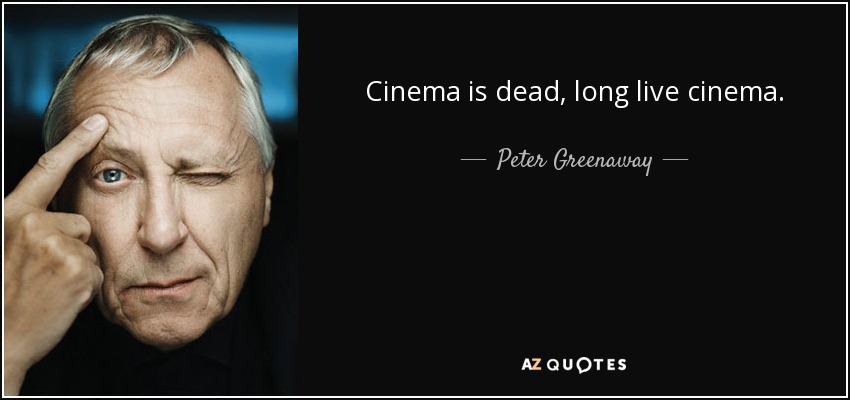
Cinema is Dead. Long Live Cinema.
Introduction
Okay, let’s be honest. How many times have you heard someone declare the death of cinema? Probably more times than you’ve seen a Nicolas Cage movie in the last year (and that’s saying something!). Between streaming wars, TikTok trends, and the allure of binge-watching in your pajamas, it’s easy to understand why the doomsayers are out in force.
But before we pen an obituary to the silver screen, let’s hold on a second. The truth is far more nuanced, far more interesting, and dare I say, far more hopeful. Cinema isn’t dead. It’s just…evolving. Or perhaps, undergoing a rather dramatic and slightly painful metamorphosis.
Explanation of the Problem
Think of it like this: cinema as we knew it – the ritualistic pilgrimage to a darkened theater, the shared experience, the anticipation of a new release – is facing an existential crisis. The immediate impacts are clear. Independent theaters are struggling to keep their doors open. Blockbuster budgets are increasingly focused on guaranteed returns, leading to a glut of sequels, remakes, and superhero fatigue. The middle ground, the interesting, thought-provoking dramas and comedies, is getting squeezed. Talented filmmakers are increasingly turning to streaming platforms for creative freedom and wider distribution.
In the long term, this could mean a homogenization of cinematic experiences. Fewer risks taken, fewer original voices heard, and a loss of the communal aspect that made cinema such a powerful cultural force. We risk losing the shared vocabulary, the collective gasp, the whispered debates after the credits roll – all the things that bind us together through storytelling.
But here’s the kicker: this isn’t a lament. It’s a challenge. Because within this apparent decline lies the potential for rebirth, for a new golden age of cinema. The medium itself isn’t broken; the *way* we consume it is changing. And that means we have the power to shape its future. So, how do we resuscitate cinema? How do we breathe new life into this art form we love?
Solutions
Here are a few practical, actionable solutions:
- Reimagine the Theatrical Experience:The simple fact is, watching a movie at home is just… easy. To compete, theaters need to offer something that a living room can’t. This isn’t just about comfier seats and better snacks (though those definitely help!). It’s about creating an *event*.
- Embrace Experiential Cinema: Think beyond the standard screening. Host themed nights with costume contests, pre-film discussions with local experts, or even interactive screenings where the audience can participate. Secret Cinema in the UK has built a global following by creating immersive, theatrical experiences around classic films. Their “Casino Royale” event, for example, transformed a space into a Bond-esque world, complete with actors, casinos, and cocktails. It wasn’t just watching a movie; it was living it.
- Curated Programming: Ditch the mentality of simply showing whatever the studios send you. Curate a lineup that reflects the community’s interests and tastes. Showcase local filmmakers, host repertory screenings of classic films, and partner with community organizations to offer educational programs. The Alamo Drafthouse Cinema chain is a great example of this. They are known for their unique programming, strict no-talking policy, and a passion for film culture.
- Focus on Community: Make your theater a hub for film lovers. Host Q&As with filmmakers, create film clubs, and offer workshops on filmmaking techniques. Build a sense of community around the shared love of cinema.
- Support Independent Filmmaking:Hollywood blockbusters have login mahjong288 their place, but they shouldn’t be the only game in town. Independent films are often where the most innovative and daring storytelling happens.
- Seek Out Independent Films: Make a conscious effort to watch films from independent filmmakers. Platforms like MUBI and The Criterion Channel are great resources for discovering hidden gems.
- Support Crowdfunding Campaigns: Many independent filmmakers rely on crowdfunding to finance their projects. Consider donating to campaigns that resonate with you.
- Attend Film Festivals: Film festivals are a fantastic way to discover new talent and support independent filmmakers. Many festivals offer online screenings, making them accessible to a wider audience.
- Demand Diversity in Storytelling: Vote with your dollars (and your eyeballs). Support films that tell diverse stories and represent marginalized voices. A more inclusive and representative film industry benefits everyone.
- Champion Film Education:The future of cinema depends on fostering a new generation of filmmakers and film enthusiasts.
- Encourage Film Education in Schools: Advocate for the inclusion of film studies in school curriculums. Understanding film history, theory, and production can foster critical thinking skills and inspire a lifelong appreciation for the art form.
- Support Film Workshops and Mentorship Programs: Organizations like the Sundance Institute offer workshops and mentorship programs for aspiring filmmakers. These programs provide valuable training and support to emerging talent.
- Promote Media Literacy: In a world saturated with images and videos, it’s crucial to develop media literacy skills. Teach people how to critically analyze films and understand their underlying messages.
- Embrace the Hybrid Model:The lines between theatrical release and streaming are blurring, and that’s not necessarily a bad thing.
- Support Day-and-Date Releases: If a film is available to stream at home, consider still going to see it in the theater to support the filmmaker and the theatrical experience.
- Advocate for Fair Revenue Sharing: Ensure that filmmakers and theaters are fairly compensated for their work, regardless of how the film is distributed.
- Experiment with New Distribution Models: Explore alternative distribution models that prioritize independent films and reach wider audiences. Services like Kino Marquee allow independent theaters to stream films online, generating revenue and expanding their reach.
These are just a few ideas, and the best approach will likely vary depending on your local community and your personal preferences. The key is to be proactive, to be engaged, and to be willing to experiment.
Conclusion
Cinema is a living, breathing art form. It’s constantly evolving, adapting, and reinventing itself. The challenges we face today are real, but they are also opportunities. Opportunities to reimagine the theatrical experience, to support independent filmmaking, to champion film education, and to embrace new distribution models.
So, yes, cinema as we knew it might be fading. But cinema itself? Far from dead. It’s poised for a renaissance. Let’s seize this moment, become active participants in its evolution, and ensure that the magic of the moving image continues to inspire, entertain, and connect us for generations to come. Long live cinema! The future is ours to shape, one film, one screening, one conversation at a time. Now, go watch a movie!