
Are Movie Ratings Ruining Cinema?
Introduction
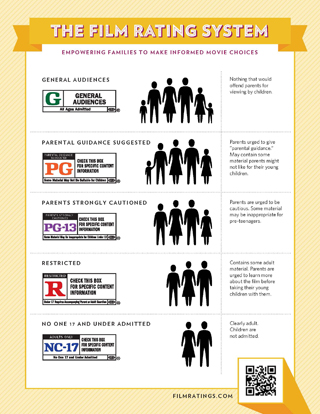
Let’s be honest, who hasn’t sneaked into a movie theater to watch a film they were technically too young for? Or perhaps you’ve scrolled endlessly through streaming services, bypassing a seemingly amazing film simply because its rating suggested it wouldn’t be your cup of tea? Movie ratings are ubiquitous, influencing our choices, guiding our families, and ultimately, shaping the cinematic landscape. But are they truly serving their intended purpose, or are they unintentionally stifling creativity and homogenizing the stories we see on screen? Are movie ratings ruining cinema?
This isn’t just a philosophical debate; it’s a question with real-world implications. The short-term impact is clear: ratings dictate who can legally see a film, influencing box office numbers and potentially limiting the audience for niche or challenging projects. But the long-term consequences are far more profound, potentially shaping the types of movies that get made in the first place.
The Short-Term Squeeze: Box Office Blues and Missed Masterpieces
The most immediate impact of movie ratings is on a film’s commercial success. An R-rating, for example, automatically excludes a significant portion of the potential audience, particularly younger viewers. While this is often justified for mature content, it can also severely limit the reach of films that explore complex themes or push boundaries in ways that might be deemed “too intense” for younger eyes.
Think about a film like “Drive” (2011). While artistically stunning and critically acclaimed, its graphic violence and stylized brutality earned it an R-rating. How many teenagers, eager to experience the cool, neon-drenched world of Ryan Gosling’s character, were turned away at the box office? How many families opted for a less challenging, PG-13 offering instead?
This isn’t to say that all R-rated films should be PG-13; the point is that the rating system, while intending to protect viewers, can inadvertently create a financial disincentive for studios to greenlight riskier, more artistically daring projects. They may opt instead for safer, more universally appealing content that guarantees a wider audience and higher profits.
The Long-Term Chill: A World of Cautious Cinema
The long-term impact of movie ratings is arguably even more concerning. If studios consistently prioritize films that can achieve PG or PG-13 ratings, the types of stories we see on screen become increasingly predictable and homogenized. Writers, directors, and producers may self-censor their work, consciously avoiding controversial topics, intense violence, or challenging themes to appeal to the widest possible audience.
Imagine a world where “Pulp Fiction” (1994), with its iconic violence and complex narrative, never got made because a studio feared the financial repercussions of an R-rating. Or a world where filmmakers shy away from exploring the darker aspects of human nature, fearing that such explorations would be deemed unsuitable for a younger audience.
This isn’t just about violence and gore; it’s about the freedom to explore difficult and nuanced themes. It’s about the ability to challenge societal norms, to provoke thought, and to push the boundaries of cinematic storytelling. When the pursuit of a broader audience trumps artistic integrity, the result is a less diverse, less stimulating, and ultimately, less fulfilling cinematic landscape.
Finding a Balance: Solutions for a More Nuanced Future
So, how do we navigate this complex issue? How can we preserve the protective aspects of movie ratings while simultaneously fostering creativity and ensuring that audiences have access to a diverse range of cinematic experiences? Here are a few practical solutions:
- Enhanced Descriptive Labelling: Instead of relying solely on broad age-based ratings, consider implementing a more descriptive system that provides detailed information about the specific content that may be problematic for certain viewers. This could include warnings for graphic violence, strong language, sexual content, or potentially triggering themes. For example, instead of simply labeling a film “R,” a rating could specify “R – Graphic Violence, Strong Language.” This empowers parents and viewers to make informed decisions based on their own values and sensitivities.
- Contextualized Ratings: Recognize that context matters. A scene of violence within a historical drama may be vastly different from a scene of violence in a modern action film. Ratings boards could take into account the context in which content is presented, considering factors like artistic merit, historical accuracy, and thematic relevance.
- Supporting Independent and Foreign Cinema: Independent and foreign films often operate outside the constraints of mainstream studio pressure. Supporting these films through ticket purchases, streaming subscriptions, and word-of-mouth can encourage the creation of more diverse and challenging content. Platforms like MUBI and the Criterion Channel offer curated collections of independent and international films, providing audiences with access to a wider range of cinematic experiences.
- Film Literacy Education: Empowering viewers with the skills to critically analyze films and understand their messages can help them make informed choices and navigate complex content. Schools and community organizations could offer film literacy programs that teach viewers how to interpret cinematic language, identify biases, and engage with films in a thoughtful and meaningful way.
- Dynamic Rating Systems: Streaming platforms could explore the use of dynamic rating systems that allow viewers to provide feedback on the accuracy and appropriateness of ratings. This could help to refine the rating process and ensure that it is responsive to the evolving needs and sensitivities of audiences.
- Alternative Distribution Models: Explore alternative distribution models that bypass traditional theatrical release and allow filmmakers to reach specific niche audiences without the pressure of box office expectations. This could include online streaming platforms, film festivals, and community screenings.
A Call to Action: Shaping the Future of Cinema
The future of cinema is not predetermined. It is shaped by the choices we make as viewers, as filmmakers, and as members of a society that values both artistic expression and responsible content consumption. By advocating for more nuanced rating systems, supporting independent and foreign cinema, and promoting film literacy education, we can create a cinematic landscape that is both diverse and engaging.
It’s time to move beyond simplistic labels and embrace a more sophisticated understanding of film. Let’s empower ourselves and our children to make informed choices, support artists who push boundaries, and demand a cinema that reflects the full spectrum of human experience. The power to shape the future of cinema lies in our hands. Let’s use it wisely.