
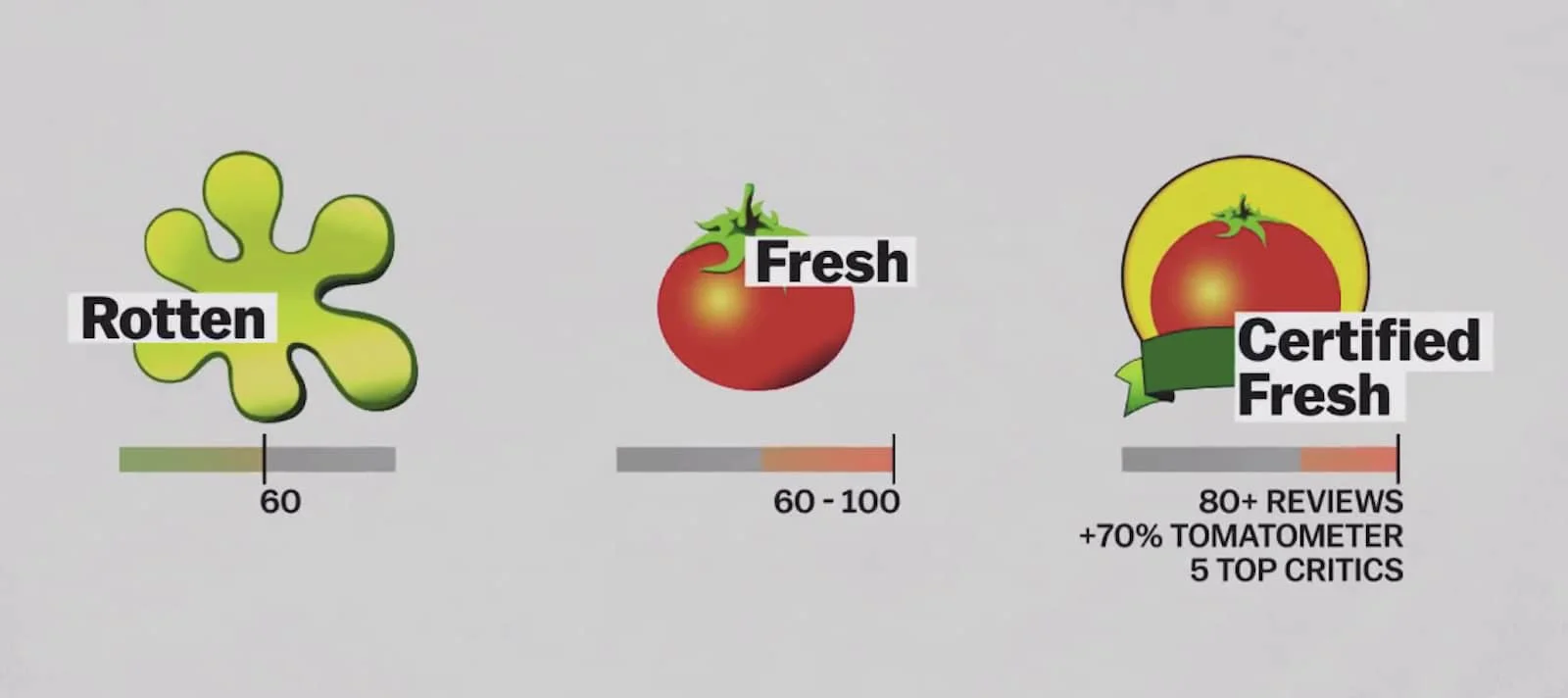
Are Movie Ratings Rotten?
Introduction
Let’s be honest, how many times have you scrolled through Netflix, desperately searching for something to watch, only to be paralyzed by the sheer volume of choices? And how many times have you relied on those little numbers and percentages – the movie ratings – to guide you? We’ve all been there. These scores are supposed to be our compass in a sea of content, leading us to cinematic gold and away from potential time-wasting disasters. But are they actually working? Are these ratings truly reliable, or are they, dare we say, rotten?
For years, movie ratings from platforms like Rotten Tomatoes, IMDb, and Metacritic have held significant sway over our viewing habits. They’ve become so ingrained in our culture that they influence everything from casual movie nights to studio decisions and box office success. But cracks are starting to appear in this seemingly foolproof system. Are these aggregate scores truly representative of a film’s quality, or are they susceptible to manipulation, biases, and ultimately, misleading information?
The Short-Term Sting: Immediate Impacts of Questionable Ratings
The immediate impact of flawed movie ratings is pretty clear: we end up watching bad movies! Picture this: a film with a seemingly respectable 75% rating. You settle in, popcorn in hand, ready for a great night. But an hour later, you’re left wondering how this film ever garnered such positive reviews. The plot is riddled with holes, the acting is questionable, and the overall experience is… disappointing. This isn’t just a minor inconvenience; it’s a waste of precious time and can lead to genuine frustration.
Beyond personal viewing, these ratings can also impact a film’s initial performance. A low score can deter potential viewers, leading to a weak opening weekend and potentially killing a film’s momentum before it even has a chance. Conversely, a film with an inflated score might attract a large audience initially, only to receive negative word-of-mouth, leading to a dramatic drop-off in viewership in the following weeks.
Think about the 2016 film *Suicide Squad*. Despite receiving largely negative reviews and a dismal 26% rating on Rotten Tomatoes, the film had a strong opening weekend, fueled by hype and the popularity of its source material. However, the poor reviews ultimately impacted its long-term success, leading to a significant decline in viewership after the initial rush.
The Long Game: Long-Term Consequences of Unreliable Metrics
The long-term consequences of relying on potentially skewed movie ratings are even more concerning. Over time, an overreliance on these scores can shape the kinds of films that get made. Studios, ever mindful of box office returns, might be more likely to greenlight projects that they believe will appeal to the average reviewer, potentially stifling creativity and innovation. This can lead to a homogenization of film, where originality is sacrificed in favor of formulaic narratives and predictable tropes.
Furthermore, the rise of “review bombing” – where coordinated groups flood a film with negative reviews for various reasons, often unrelated to the film’s actual quality – poses a significant threat to the integrity of the rating system. This practice can unfairly damage a film’s reputation, potentially impacting the careers of the actors, directors, and everyone involved in the production.
Imagine a small independent film, made with passion and creativity but lacking the marketing budget of a Hollywood blockbuster. A coordinated review bombing campaign could effectively kill the film before it even reaches a wider audience, depriving it of the chance to find its niche and silencing a unique voice in the industry.
So, What Can We Do? Practical Solutions for a Rating Revolution
The good news is, we don’t have to be passive victims of potentially misleading movie ratings. There are several practical steps we can take to become more informed and discerning viewers.
- Diversify Your Sources: Don’t rely solely on one rating aggregator. Explore different review platforms, read in-depth analyses from film critics you trust, and seek out opinions from friends and family whose tastes align with your own. Variety is the spice of life, and it’s equally crucial when navigating the world of movie ratings.
- Example: Instead of just checking Rotten Tomatoes, also consult IMDb, Metacritic, and independent film blogs to get a more comprehensive understanding of a film’s reception.
- Read the Reviews, Not Just the Score: A percentage score only tells part of the story. Delve into the actual reviews to understand why a film received a particular rating. Look for common themes, specific criticisms, and evidence of bias or manipulation.
- Example: If a film has a 60% rating on Rotten Tomatoes, read several of the positive and negative reviews to understand what aspects critics liked and disliked. Pay attention to the reasoning behind their opinions, not just the overall score.
- Consider the Source: Be aware of the biases that might influence certain reviewers or platforms. Some critics might be predisposed to favor certain genres or directors, while others might be more susceptible to hype or negative campaigns.
- Example: Recognize that a film critic known for his love of independent cinema might be more forgiving of a low-budget indie film than a mainstream blockbuster. Similarly, be wary of reviews that seem overly positive or negative, especially if they lack specific details.
- Trust Your Gut: Ultimately, the best way to determine if you’ll enjoy a movie is to trust your own instincts. Watch trailers, read plot summaries, and consider your own personal preferences. Don’t let a number dictate your viewing experience.
- Example: If you’re a fan of a particular actor or director, or if the plot of a film genuinely intrigues you, don’t be afraid to give it a chance, even if the ratings are lukewarm.
- Engage in Constructive Dialogue: Share your opinions and experiences with others. Discuss films with friends, family, and online communities. By engaging in thoughtful conversations, we can collectively raise our critical awareness and challenge the dominance of potentially misleading ratings.
- Example: After watching a movie, share your thoughts on social media, write a review, or discuss it with friends. This not only helps you process your own viewing experience but also contributes to a broader conversation about the film’s merits and shortcomings.
Alternative Approaches: Beyond Individual Action
While individual action is essential, systemic change is also needed to address the underlying issues with movie rating systems.
- Platform Transparency: Rating aggregators should be more transparent about their methodologies and actively combat review bombing and other forms of manipulation. This could involve stricter verification processes for reviewers, clearer guidelines for what constitutes a valid review, and algorithms designed to detect and filter out suspicious activity.
- Diverse Review Pools: Efforts should be made to diversify the pool of film critics, ensuring that a wider range of voices and perspectives are represented. This can help to mitigate biases and provide a more nuanced understanding of a film’s cultural impact.
- Focus on Context: Instead of relying solely on numerical scores, platforms could provide more contextual information about films, such as their target audience, genre, and production budget. This can help viewers make more informed decisions based on their own individual preferences.
A Brighter Future for Film Consumption
The movie rating landscape might seem a little murky right now, but it’s not beyond repair. By adopting a more critical and informed approach to film consumption, we can reclaim our power as viewers and ensure that our choices are driven by genuine appreciation, not just by arbitrary numbers.
It’s time to stop blindly trusting the ratings and start engaging with film in a more meaningful way. Explore different sources, read the reviews, trust your gut, and join the conversation. Let’s work together to create a more diverse, transparent, and ultimately, more rewarding cinematic experience for everyone. The power to shape the future of film lies in our hands. Let’s use it wisely.