
“`html
Are Movie Ratings Protecting Kids or Shielding Adults?
Introduction
Ever walked out of a movie thinking, “Wow, that was…intense,” only to glance around and see a few kids looking a little shell-shocked? Or maybe you’ve skipped a film you were genuinely interested in because the trailer suggested it was a bit too much for your sensitive younger sibling. Movie ratings, that little set of letters and symbols, are supposed to guide us, to help us make informed choices about what we and our kids are watching. But are they really working? Or are they inadvertently doing more harm than good, not just for kids, but surprisingly, for adults too?
Explanation of the Problem
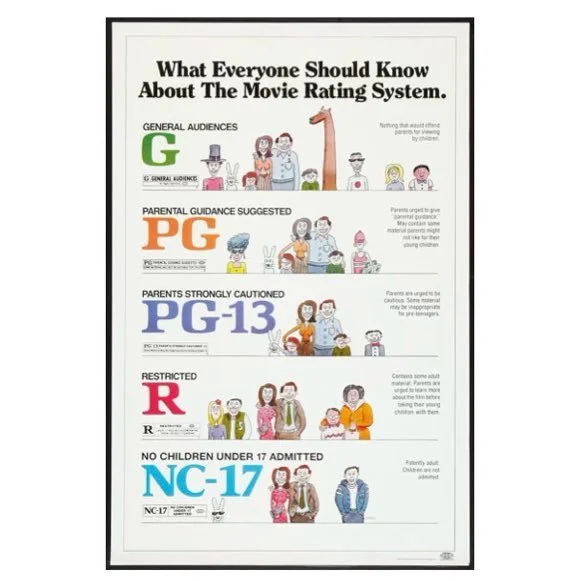
The truth is, movie ratings are a complex beast. On the surface, they seem straightforward: G for everyone, PG for parental guidance suggested, PG-13 for some material may be inappropriate for children under 13, R for restricted (under 17 requires accompanying parent or adult guardian), and NC-17 for no one under 17 admitted. Simple enough, right? But dig a little deeper, and you’ll find a murky landscape of subjectivity, cultural biases, and evolving societal norms.
The Short-Term Impact: A Minefield of Misinterpretations
In the short term, the most obvious issue is the potential for misinterpretation. A PG-13 rating, for example, covers a vast spectrum. A film could be PG-13 for intense action sequences, strong language, or suggestive content. This vagueness can leave parents guessing, often relying on trailers or reviews that may not accurately reflect the film’s overall tone or specific scenes.
Think about the *Harry Potter* films. While the earlier installments were generally considered kid-friendly, later movies like *Harry Potter and the Deathly Hallows – Part 2* contained surprisingly dark and violent imagery. Many parents, familiar with the series’ lighter beginnings, might have underestimated the intensity, potentially exposing their children to scenes they weren’t prepared for. This is because the rating system doesn’t always effectively communicate the *type* of content that makes a film PG-13, only that *some* material might be unsuitable.
On the adult side, this can lead to over-avoidance. Perhaps you’re interested in a thought-provoking drama tackling difficult themes, but its R rating, primarily due to strong language, puts you off. You might miss out on a powerful and enriching cinematic experience simply because of a blanket restriction.
The Long-Term Impact: Shaping Perception and Limiting Exposure
The long-term effects are even more insidious. Over-reliance on movie ratings can inadvertently shape our perceptions of what’s acceptable or appropriate for different age groups. Children shielded from any potentially disturbing content might develop a limited understanding of the world, lacking the emotional resilience to navigate complex or challenging situations.
Consider the impact on creativity and storytelling. Are filmmakers hesitant to explore certain themes or styles for fear of alienating younger audiences and jeopardizing a PG-13 rating? Does the pursuit of a broader audience lead to watered-down narratives and a homogenization of cinematic content? The pursuit of commercial success, coupled with rating anxieties, could stifle innovation and limit the range of stories being told.
For adults, consistently avoiding R-rated films can contribute to a kind of cinematic bubble, limiting exposure to diverse perspectives and artistic expressions. We might become less tolerant of challenging or uncomfortable themes, potentially reinforcing existing biases and prejudices.
Solutions
The good news is, we don’t have to be passive consumers of the rating system. We can take proactive steps to make more informed choices and ensure that we and our children are engaging with content that is truly appropriate.
Here are some practical solutions:
- Go Beyond the Rating: Don’t rely solely on the letter rating. Dig deeper! Read detailed reviews from reputable sources, paying attention to specific content warnings and parental guidance. Websites like Common Sense Media offer comprehensive breakdowns of films, detailing the types of violence, language, and themes present, along with age-appropriateness recommendations.
- Watch Trailers Strategically: Trailers are designed to entice, but they can also provide valuable clues about a film’s tone and content. Pay attention to the visual style, the dialogue, and the overall atmosphere. Does it feel intense? Is there a lot of violence or strong language?
- Pre-Screen When Possible: If you’re particularly concerned about a film’s content, consider pre-screening it yourself before taking your children. This might involve renting it on demand or catching it on a streaming service. It’s a bit of extra effort, but it can save you from a potentially awkward or upsetting movie night.
- Have Open Conversations: Talk to your children about the movies they want to see. Discuss the rating, the themes, and the potential content that might be challenging. Prepare them for what they might encounter and be ready to answer their questions afterwards. This fosters critical thinking and helps them develop their own media literacy.
- Embrace the Power of the Internet: Online communities and forums dedicated to film offer a wealth of information and opinions. Search for discussions about specific movies and see what other parents are saying. You’ll often find nuanced perspectives and detailed descriptions of potentially problematic scenes.
- Support Independent and Foreign Films: Break free from the mainstream and explore the world of independent and foreign cinema. These films often tackle complex themes and offer unique perspectives that are rarely seen in Hollywood blockbusters. They can be a great way to expand your own cinematic horizons and introduce your children to different cultures and storytelling styles.
Beyond individual actions, there’s also room for improvement at the systemic level. Some alternative approaches to the current rating system include:
- More Specific Content Descriptors: Instead of simply labeling a film as PG-13, provide more detailed information about the specific content that triggered the rating. This could include descriptors like “Intense Violence,” “Strong Language,” “Suggestive Themes,” or “Drug Use.”
- Age-Based Recommendations, Not Restrictions: Shift the focus from strict age restrictions to more nuanced age-appropriateness recommendations. This would empower parents to make informed choices based on their individual children’s maturity levels and sensitivities.
- Greater Transparency in the Rating Process: Increase transparency in the rating process by publishing the guidelines used by the Motion Picture Association (MPA) and making the raters more accountable for their decisions.
Conclusion
Movie ratings, while intended to protect children and guide adults, can sometimes fall short of their goal. They are imperfect tools, prone to subjectivity and cultural biases. However, by taking a proactive approach, embracing critical thinking, and fostering open communication, we can navigate the rating system more effectively and ensure that we and our children are engaging with content that is truly appropriate.
Let’s move beyond blindly accepting ratings and instead empower ourselves with the knowledge and tools to make informed choices. Let’s engage in meaningful conversations about film and media literacy. And let’s encourage filmmakers to create diverse and challenging stories that push boundaries and expand our understanding of the world.
The future of cinema depends on it. The power to choose wisely is in your hands. Use it.
“`