
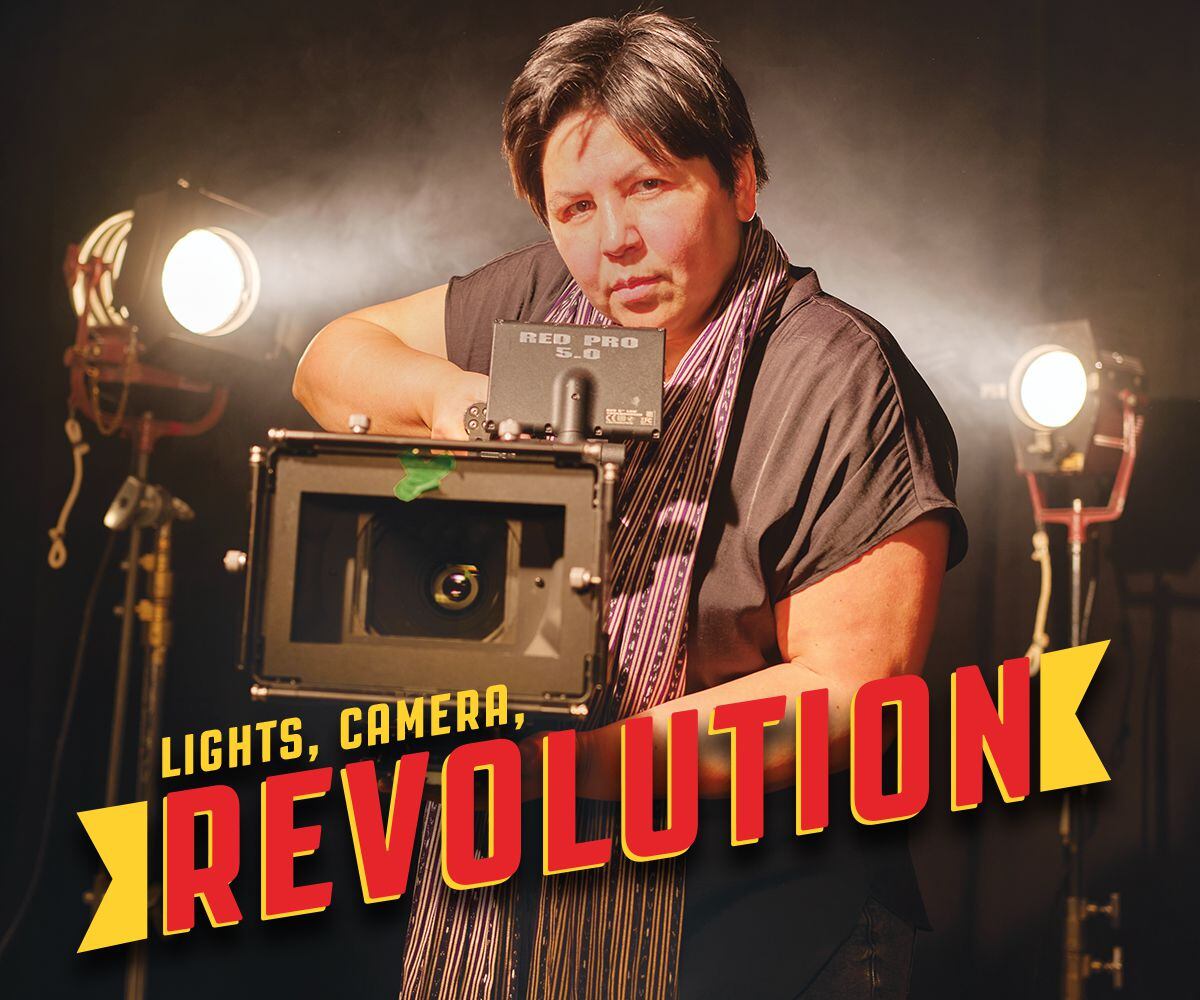
Lights, Camera, Revolution: How Movies Are Changing the World
Introduction
Pop some popcorn, settle in, and get ready for a plot twist – because movies aren’t just entertainment anymore. They’re wielding a surprising amount of power, capable of sparking movements, shifting perspectives, and even changing the world. Forget escapism for a second; we’re talking about the real-world impact of flickering images and captivating stories. Think about it: a single film can ignite a conversation that ripples through society, challenging the status quo and inspiring action. But how does this cinematic sorcery actually work, and what does it mean for the future?
The Short-Term Spark: Immediate Impact on Attitudes and Awareness
In the short term, movies act as powerful awareness catalysts. They shine a spotlight on issues that might otherwise remain hidden in the shadows. Remember the buzz surrounding “Black Panther”? It wasn’t just a superhero flick; it was a cultural phenomenon that ignited conversations about representation, identity, and the African diaspora. The film’s success challenged Hollywood’s traditional narratives and paved the way for more diverse storytelling.
This immediate impact extends beyond representation. Documentaries, in particular, are masters of sparking immediate action. “An Inconvenient Truth,” Al Gore’s climate change documentary, propelled the environmental movement into the mainstream. It wasn’t just about showing melting glaciers; it was about framing the crisis in a way that resonated with audiences, leading to increased public awareness and, eventually, policy changes.
The power of cinema lies in its ability to evoke empathy. We connect with characters, experience their struggles, and understand their perspectives, even if they’re vastly different from our own. This connection can lead to a rapid shift in attitudes and a greater willingness to engage with complex social issues. A film about the refugee crisis, for example, can humanize the stories behind the headlines, fostering compassion and challenging xenophobic narratives.
Long-Term Impact: Reshaping Culture and Influencing Policy
But the revolution doesn’t stop at initial awareness. The long-term effects of movies are even more profound, subtly reshaping culture and influencing policy over time. Think of the cultural impact of “To Kill a Mockingbird.” Decades after its release, the film continues to be a touchstone for conversations about justice, prejudice, and the importance of standing up for what’s right. It has shaped generations of perspectives on racial equality and inspired countless individuals to pursue careers in law and social justice.
Movies also have the power to challenge deeply ingrained stereotypes and biases. Consider how depictions of LGBTQ+ characters have evolved over time. From caricatures and comedic relief, these characters are now increasingly portrayed as complex, nuanced individuals, contributing to greater understanding and acceptance within society. While progress isn’t linear, this shift in representation reflects and contributes to a broader cultural shift towards inclusivity.
Furthermore, movies can directly influence policy. By bringing attention to pressing social issues, they can create the public pressure needed to enact change. Films that expose corporate misconduct, highlight human rights violations, or document environmental destruction can inspire legislative action and hold powerful institutions accountable. The documentary “The Cove,” which exposed the dolphin slaughter in Japan, led to international condemnation and spurred efforts to protect marine life.
But How Do We Harness This Power for Good? Practical Solutions for a Cinematic Revolution
So, how can we consciously harness the power of movies to create a more just and equitable world? Here are a few practical approaches:
- Support Independent and Diverse Filmmaking: Seek out films that tell stories from marginalized communities, challenge conventional narratives, and tackle important social issues. This might mean subscribing to streaming services that prioritize independent cinema, attending film festivals, or simply being more intentional about the movies you choose to watch.
- Engage in Post-Viewing Discussions: Movies are powerful conversation starters. Don’t just passively consume them; actively discuss the themes, messages, and perspectives presented. This could involve joining a film club, participating in online forums, or simply engaging in thoughtful conversations with friends and family.
- Advocate for Media Literacy Education: Understanding how movies are made and the techniques used to influence audiences is crucial for critical thinking and responsible consumption. Support initiatives that promote media literacy education in schools and communities.
- Become a Citizen Filmmaker: You don’t need a Hollywood budget to tell a compelling story. With readily available technology, anyone can create short films, documentaries, or public service announcements that raise awareness about important issues. Start small, collaborate with others, and use your voice to make a difference.
- Support Organizations That Use Film for Social Change: Many organizations are actively using film to promote social justice, environmental protection, and human rights. Consider donating to these organizations, volunteering your time, or simply spreading the word about their work.
- Demand More Diverse Representation in Mainstream Media: Let Hollywood know that you want to see more stories that reflect the diversity of the world we live in. This can involve supporting films with diverse casts and crews, signing petitions, and using social media to voice your opinions.
Alternative Approaches: A Menu for Change
The beauty of using film for social change is that there’s no one-size-fits-all solution. Here are a few alternative approaches to consider:
- The “Impact Campaign” Approach: This involves creating a strategic campaign around a film to amplify its message and drive action. This might include partnering with non-profit organizations, creating educational resources, and organizing community screenings and events.
- The “Documentary as Activism” Approach: This involves using documentary filmmaking as a direct form of activism, exposing injustice and advocating for policy changes. This approach often involves close collaboration with affected communities and a commitment to ensuring that their voices are heard.
- The “Art as Resistance” Approach: This involves using film as a form of artistic expression to challenge oppressive systems and promote social justice. This approach often prioritizes creativity and artistic integrity over immediate political goals.
The Final Scene: An Optimistic Call to Action
Movies are more than just entertainment; they are powerful tools that can shape our world for the better. By being conscious consumers, active participants, and creative contributors, we can harness the cinematic revolution and create a more just, equitable, and sustainable future. The camera is rolling, the stage is set, and the story is waiting to be written. It’s time to step into the scene and play your part. Let’s make some movie magic – magic that truly changes the world. The end? Not quite. This is just the beginning of jawabet88.