
Are Movie Ratings Ripping You Off?
Introduction
Ever walked out of a movie theatre thinking, “Wow, that wasn’t what I expected… at all?” Or maybe you’ve scrolled endlessly through streaming services, relying on those little rating badges, only to be utterly disappointed by the film you finally chose. If so, you’re not alone. We’ve all been there, and the question begs to be asked: Are movie ratings ripping you off?
The simple answer? Possibly. While movie ratings, whether from established bodies like the MPA (Motion Picture Association) or user-driven platforms like Rotten Tomatoes and IMDb, are intended to guide us, their effectiveness is increasingly under scrutiny. It’s not that they’re deliberately trying to deceive us, but the complex factors involved can lead to frustratingly inaccurate portrayals of a film’s actual content and quality, impacting both our immediate viewing experience and potentially shaping our long-term cinematic preferences.
Explanation of the Problem
The Short-Term Sting: Wasted Time and Money
Let’s face it, time is precious. And movie tickets (or streaming subscriptions) aren’t exactly cheap. Relying on a misleading rating can lead to a direct financial hit. Imagine taking the family to a PG-13 movie that turns out to be surprisingly violent or thematically complex for younger viewers. The cost of the tickets, the snacks, and the potential for a ruined evening all add up.
But the short-term cost extends beyond money. Think about the emotional investment we make in movies. We anticipate a certain genre, a certain tone, a certain level of quality. When a rating leads us astray, that expectation is shattered, leaving us feeling disappointed, misled, and even cheated. We’ve lost not only time and money, but also the opportunity to have a truly enjoyable cinematic experience.
The Long-Term Ripple Effect: Shaping Our Taste
The impact of inaccurate movie ratings goes beyond immediate frustration. Over time, consistently poor recommendations can subtly influence our perception of certain genres, actors, or directors. If you repeatedly choose movies based on glowing reviews that ultimately disappoint, you might start to distrust the rating system altogether. This distrust can lead you to avoid potentially great films simply because their ratings don’t align with your (now skewed) expectations.
Furthermore, reliance on broadly accepted ratings can create an echo chamber, limiting our exposure to diverse and independent films that may not receive the same mainstream attention. We might miss out on unique storytelling, compelling performances, and fresh perspectives simply because a rating failed to capture the true essence of the film. In essence, consistently relying on flawed ratings can subtly curate our cinematic taste, potentially narrowing our horizons and preventing us from discovering truly exceptional movies.
The Culprits Behind the Confusion:
So, what’s causing this disconnect? There are several factors at play:
- Subjectivity Reigns Supreme: Taste is subjective. What one person finds brilliant, another might find boring or offensive. A Rotten Tomatoes score reflects the average opinion of critics, but that average might not align with your personal preferences.
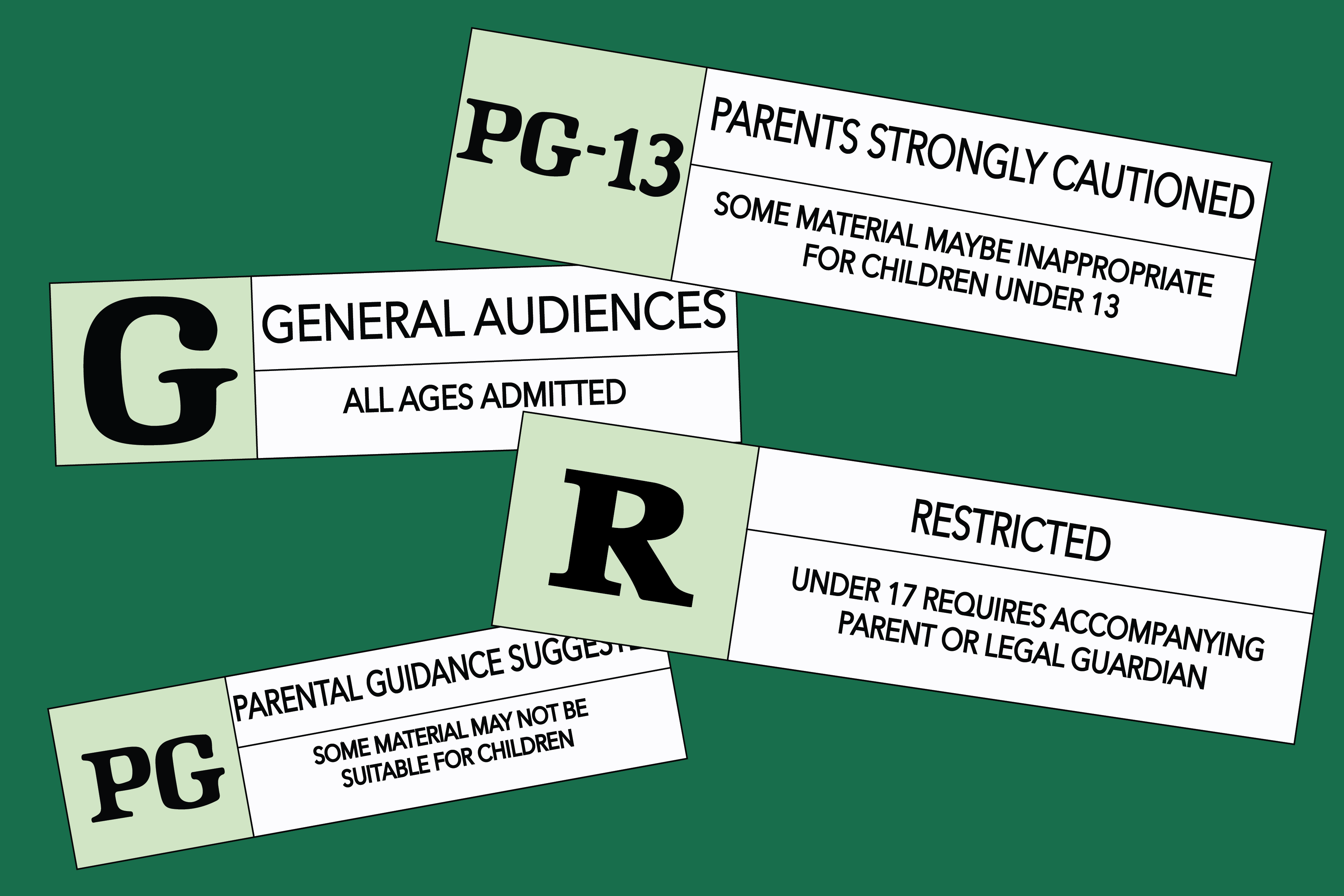
- The Rating Game: The MPA ratings (G, PG, PG-13, R, NC-17) are intended to indicate the suitability of a film for different age groups. However, these ratings often focus solely on potentially objectionable content like violence, language, and sexual content, neglecting other important factors like thematic complexity, emotional intensity, or the presence of mature themes.
- Influencer Influence: Social media and online influencers can heavily sway public opinion, sometimes leading to inflated or deflated ratings that don’t accurately reflect the film’s actual quality. Hype can create unrealistic expectations, leading to disappointment even with a good film.
- The Shifting Sands of Culture: What was considered acceptable or shocking in one era might be perfectly commonplace in another. This evolution can make older ratings feel outdated or irrelevant.
Solutions
Taking Control: Reclaiming Your Movie Experience
So, how do we navigate this murky landscape and avoid being ripped off by misleading movie ratings? The good news is, you’re not entirely at the mercy of the system. Here are some practical and applicable solutions:
- Go Beyond the Numbers: Don’t rely solely on a single rating. Read multiple reviews from diverse sources. Pay attention to what reviewers actually say about the film’s plot, characters, themes, and overall tone. Look for specific examples that illustrate the reviewer’s points.
- Example: Instead of just seeing a movie has a 90% on Rotten Tomatoes, read a few of the top critic reviews. Are they praising the acting, the storyline, the visual effects? Or are they highlighting certain flaws?
- Know Your Own Taste: Think critically about what you enjoy in a movie. Do you prefer fast-paced action or slow-burn dramas? Are you sensitive to violence or strong language? Knowing your own preferences will help you interpret ratings and reviews more effectively.
- Explore Alternative Ratings Systems: Platforms like Common Sense Media offer age-based ratings that consider a wider range of factors beyond just potentially objectionable content. This can be particularly helpful for parents trying to choose movies for their children.
- Dive into User Reviews: User reviews can be a valuable source of information, but take them with a grain of salt. Look for reviews that are detailed, thoughtful, and explain why the reviewer liked or disliked the film. Be wary of overly enthusiastic or negative reviews that seem biased.
- Watch Trailers and Clips: Trailers and clips can give you a good sense of the film’s visual style, tone, and overall atmosphere. Pay attention to the dialogue, the music, and the editing to get a better feel for whether the movie aligns with your interests.
- Trust Your Gut: Sometimes, the best way to choose a movie is to simply trust your intuition. If a film sounds interesting to you, even if the ratings are mixed, give it a chance. You might be pleasantly surprised.
- Seek Recommendations from Trusted Sources: Talk to friends, family members, or colleagues whose taste you admire. Ask them for recommendations and explain what you’re looking for in a movie.
- Consider the Director and Actors: If you consistently enjoy the work of a particular director or actor, you’re more likely to enjoy their new films, regardless of the ratings.
Case Study: “The Witch” (2015)
This historical horror film garnered a mixed bag of reactions. While critics largely praised its atmosphere, performances, and unique approach to the genre, some viewers found it slow-paced, unsettling, and ultimately unsatisfying. The Rotten Tomatoes score was high, but many audience reviews expressed frustration. This exemplifies how ratings can be misleading; the film was critically acclaimed, but its deliberate pacing and ambiguous narrative didn’t resonate with all viewers. Understanding your own tolerance for slow-burn horror would have been crucial in deciding whether or not to see it.
Conclusion
Empowered and Ready to Choose
Movie ratings are a tool, not a definitive judgment. By understanding their limitations and actively engaging with the information they provide, you can empower yourself to make more informed choices and avoid those frustrating movie-going experiences. Don’t be a passive consumer of ratings; be an active participant in curating your own cinematic journey.
The next time you’re faced with a wall of movie options, remember that you have the power to look beyond the numbers and discover films that truly resonate with you. Embrace the challenge, explore your own tastes, and trust your instincts. You might just stumble upon your next favorite movie, a hidden gem that defies the ratings and leaves you utterly captivated. Now, go forth and conquer your watchlist!