
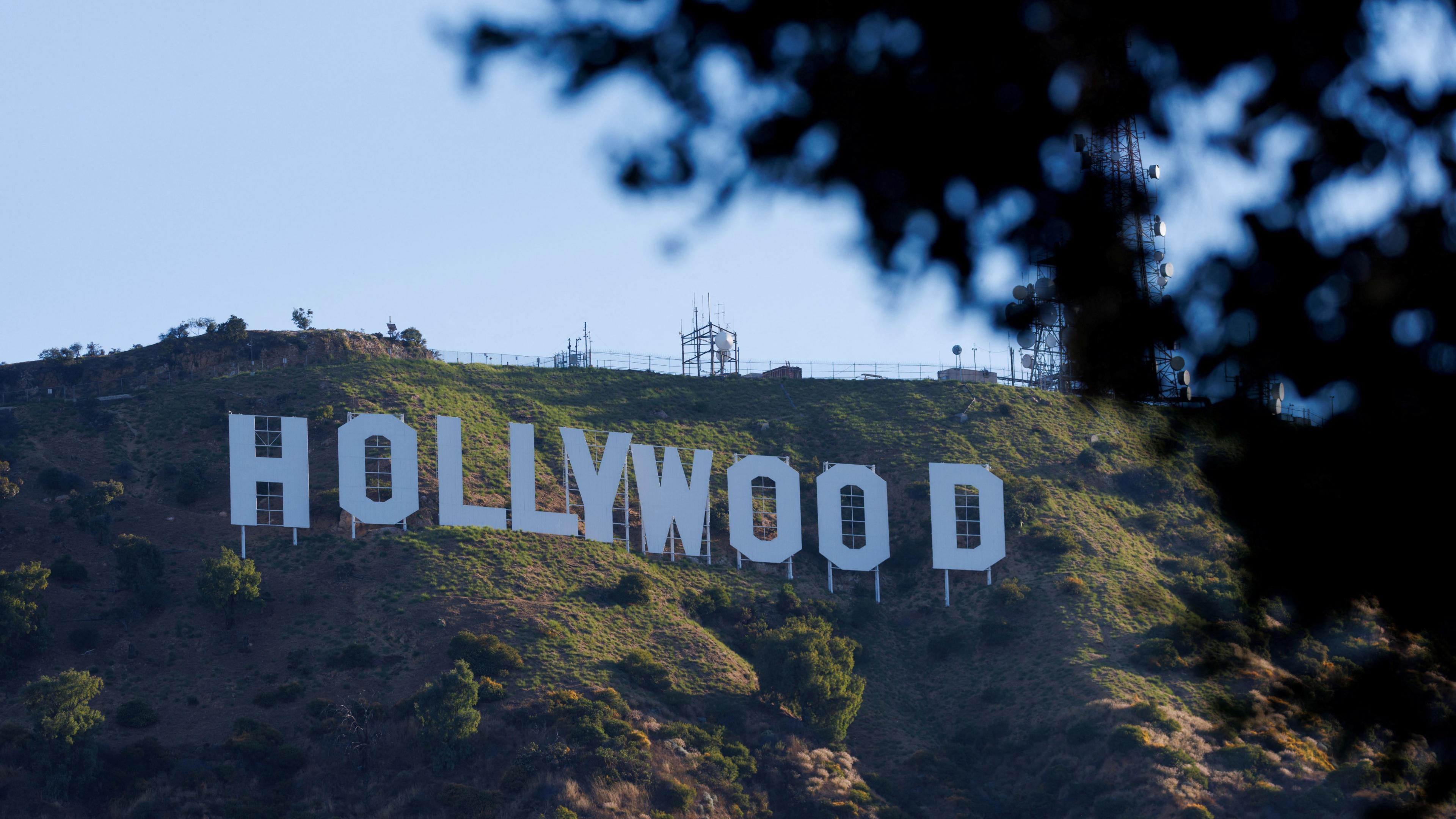
Hollywood Shakes: AI Script Generators Hit the Scene – Changes Everything
Introduction
Hold onto your popcorn, folks, because the script is flipping in Hollywood! Forget everything you thought you knew about breaking into the biz, about the grueling hours spent perfecting dialogue, or even about that writer’s block that’s plagued every screenwriter since Shakespeare grabbed a quill. Why? Because AI script generators are officially in the game, and the industry is feeling the tremors.
These aren’t just glorified Mad Libs, pumping out generic narratives. We’re talking sophisticated AI, trained on decades of film and television, capable of crafting detailed screenplays, complete with compelling characters, plot twists, and even that signature Hollywood flair. Sounds like science fiction? Think again. It’s happening now.
The Immediate Quake: What’s Shaking Right Now?
The immediate impact is already being felt. Studios are exploring the use of AI to:
- Generate First Drafts: Imagine cutting weeks, even months, off the initial writing phase. AI can provide a solid foundation, freeing up writers to focus on polishing, adding nuance, and injecting their unique creative vision.
- Brainstorming & Idea Generation: Stuck in a creative rut? AI can spit out countless plot ideas, character concepts, and dialogue options, sparking inspiration and helping writers overcome writer’s block.
- Target Audience Optimization: Want to know what kind of romantic comedy is trending with Gen Z? AI can analyze data and predict what will resonate with specific audiences, ensuring your script is primed for success.
- Cost Reduction: Let’s be honest, Hollywood loves saving a buck. AI offers the potential to significantly reduce development costs, making it attractive to studios and production companies.
This initial wave has already caused ripples of anxiety among screenwriters, especially those just starting out. The fear is real: will AI replace human writers? Will it become even harder to land that first gig? Will the industry lose its creative soul?
The Long-Term Aftershocks: What Could the Future Look Like?
The long-term implications are even more profound. We’re talking about a potential paradigm shift in how movies and TV shows are made. Here’s a glimpse into what the future might hold:
- Hyper-Personalized Entertainment: Imagine movies and shows tailored to your individual tastes. AI could generate scripts based on your viewing history, preferences, and even your emotional state.
- Interactive Storytelling: Step beyond passive viewership. AI could create dynamic narratives that change based on viewer choices, blurring the line between entertainment and gaming.
- Democratization of Filmmaking: Suddenly, anyone with a great idea and access to an AI script generator could become a screenwriter. This could lead to a surge in independent filmmaking and a more diverse range of stories being told.
- AI as Collaborator, Not Replacement: The most likely scenario isn’t a complete takeover, but rather a collaborative relationship between AI and human writers. AI can handle the heavy lifting of plotting and structure, while writers focus on character development, emotional depth, and thematic resonance.
The Tectonic Shift: Addressing the Fault Lines
So, how do we navigate this seismic shift? How do we ensure that AI enhances, rather than diminishes, the art of storytelling? Here are a few practical solutions:
- Embrace and Adapt: Fighting the tide is futile. Instead, learn to use AI as a tool. Experiment with different AI script generators, understand their strengths and weaknesses, and find ways to incorporate them into your writing process.
Example: Imagine using AI to generate multiple versions of a scene, then analyzing them to identify the most effective dialogue and pacing.
- Focus on the Human Element: AI can generate plots, but it can’t replicate human emotion, empathy, or lived experience. Double down on developing characters that resonate with audiences, explore complex themes, and craft narratives that are deeply personal and authentic.
Case Study: Look at the success of indie films like “Moonlight” or “Lady Bird.” These films resonated because of their raw, honest portrayal of human experiences, something AI is unlikely to replicate anytime soon.
- Develop Unique Skills: In a world of AI-generated content, the ability to stand out becomes even more crucial. Hone your skills in areas where AI is currently weak, such as:
- Character Development: Crafting nuanced, multi-dimensional characters with compelling backstories and motivations.
- Dialogue Writing: Creating authentic, memorable dialogue that captures the voice and personality of each character.
- World Building: Constructing immersive, believable worlds that transport audiences to another time and place.
- Emotional Intelligence: Understanding and conveying complex emotions in a way that resonates with viewers.
- Advocacy and Collaboration: Join writers’ guilds and industry organizations to advocate for policies that protect the rights and livelihoods of human writers. Collaborate with AI developers to ensure that these tools are used ethically and responsibly.
Example: The Writers Guild of America (WGA) is already engaged in discussions about the use of AI in filmmaking. Your voice matters.
- Explore New Platforms and Mediums: The traditional Hollywood model is no longer the only game in town. Explore opportunities in independent filmmaking, web series, video games, and other emerging platforms. These areas often offer more creative freedom and less reliance on established formulas.
Alternative Approaches: A Multi-pronged Strategy
No single solution will solve the challenges posed by AI. A multi-pronged approach is needed:
- Education: Invest in training programs that teach writers how to use AI tools effectively and ethically.
- Regulation: Advocate for regulations that ensure AI is used responsibly and doesn’t unfairly displace human writers.
- Innovation: Encourage the development of AI tools that augment, rather than replace, human creativity.
- Community: Foster a supportive community of writers who can share knowledge, resources, and strategies for navigating the changing landscape.
The Silver Lining: A Future of Creative Synergy
While the rise of AI script generators may seem daunting, it also presents a unique opportunity. By embracing these tools and focusing on our unique strengths, we can create a future where AI and human creativity work together to tell stories that are more engaging, more diverse, and more impactful than ever before.
Don’t see this as a threat, see it as an invitation. An invitation to reinvent yourself, to hone your craft, and to explore new possibilities. The future of storytelling is being written right now, and you have the power to shape it. So, grab your pen (or your keyboard) and get ready to write the next chapter of Hollywood history. The world is waiting to hear your story, and now you have even more tools at your disposal to tell it. This isn’t the end; it’s a new beginning. Let’s make it a good one.